
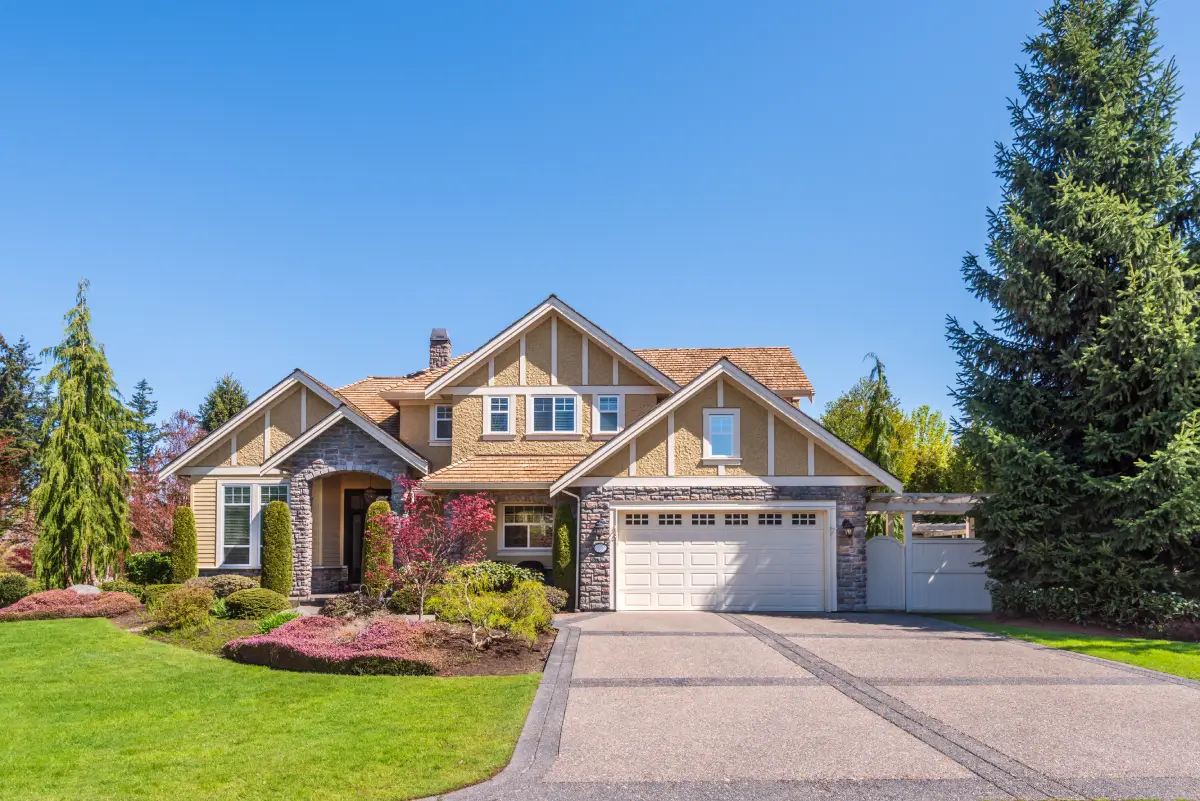
A leased property often gives owners a sense of confidence. Rent arrives each month, tenants stay put, and vacancy concerns seem distant. Yet beneath that stability, many residential rentals gradually lose momentum without obvious warning signs.
The challenge is that declining performance rarely announces itself through empty units or major disruptions. Instead, it appears that outdated pricing, overlooked maintenance needs, aging property features, and operational habits no longer support current market conditions.
Across Northeast Georgia, owners who periodically evaluate every aspect of their investment are often better positioned to preserve income and strengthen long-term returns. Reviewing trends such as the single-family housing edge can help provide valuable context when assessing overall property performance.
Key Takeaways
- High occupancy alone doesn't guarantee a rental property is reaching its earning potential.
- Rent pricing should evolve alongside market conditions and operating costs.
- Routine inspections help identify issues before they become expensive repairs.
- Strategic upgrades can improve competitiveness and tenant satisfaction.
- Consistent oversight supports stronger financial results and asset preservation.
Market Changes Don't Pause for Long-Term Tenants
A property may have the same resident for years, but the market around it continues to evolve.
Many Northeast Georgia landlords hesitate to adjust rent because they value dependable tenants. While retaining quality residents remains important, failing to review pricing regularly can create a growing disconnect between rental income and market value.
Costs Continue to Rise
Insurance premiums, repair expenses, service fees, and property-related costs rarely stay the same. When rent remains unchanged for extended periods, profit margins often become thinner without owners realizing it.
Even a modest pricing gap can have a meaningful impact on several lease renewals.
Annual Reviews Create Better Alignment
Property owners don't need dramatic rent increases to remain competitive. Smaller adjustments supported by local market data often create a more balanced approach for both landlords and tenants.
Those seeking additional insight may benefit from a complimentary property review to compare current pricing against nearby rental trends.
Minor Maintenance Concerns Can Become Major Expenses
This area is often overlooked because the property appears to be functioning normally.
Tenants may delay reporting issues because they seem insignificant or because they don't want to create inconvenience. Unfortunately, many costly repairs begin as relatively small concerns.
Water Damage Rarely Stays Contained
Slow leaks around plumbing fixtures, appliances, or roofing systems can continue unnoticed for months. By the time visible damage appears, repairs may involve drywall, flooring, cabinetry, and structural components.
Mechanical Systems Need Consistent Attention
Northeast Georgia experiences seasonal temperature swings that place demands on heating and cooling systems.
Routine evaluations help identify declining performance before complete system failures occur, reducing the likelihood of emergency repair costs.
Older Equipment Often Signals Future Spending
Appliances, water heaters, and HVAC units generally show signs of wear before failing entirely. Tracking maintenance records helps owners determine whether replacement may be more cost-effective than continued repairs.
Maintaining organized financial records through property accounting tools can make these decisions easier by providing better visibility into recurring expenses.
Tenant Silence Doesn't Always Mean Everything Is Fine
A lack of complaints can sometimes create a false sense of security.
Many landlords assume satisfied tenants will immediately report concerns. In reality, some residents overlook issues, tolerate inconveniences, or simply choose not to communicate smaller problems.
According to Harvard's Joint Center for Housing Studies, approximately 22.4 million renter households face housing affordability challenges. As renters become increasingly focused on value, maintaining property quality and responsiveness becomes even more important.
Communication Creates Visibility
Regular check-ins help owners identify developing concerns before they grow into larger problems.
Open communication also strengthens relationships and encourages residents to report maintenance issues earlier.
Property owners interested in this topic may find useful insights in discussions about low-complaint tenant costs, which highlight how quiet residents can sometimes contribute to unexpected expenses.
Properties Need Updates to Stay Competitive
Even well-maintained homes eventually require improvements.
As renters compare available housing options throughout Northeast Georgia, older features can make a property feel less appealing despite its location or size.
Areas Worth Reviewing
- Flooring materials and condition
- Interior paint and finishes
- Lighting upgrades
- Kitchen improvements
- Bathroom modernization
These upgrades don't always require extensive renovations. Strategic improvements often deliver meaningful returns while helping properties stand out during future leasing periods.
Long-Term Value Matters
Modern updates can support stronger lease renewals, reduce marketing challenges, and create a more attractive living experience for residents.
Owners evaluating future projects often benefit from reviewing eco-friendly property upgrades, which may improve both efficiency and property appeal.
Informal Lease Management Can Create Avoidable Problems
Familiarity sometimes changes how landlords manage their properties.
Long-term tenant relationships naturally create trust, yet lease expectations should remain consistent regardless of how long someone has occupied the property.
Common Issues That Require Attention
- Habitual late payments
- Unauthorized occupants
- Unapproved pets
- Lease violations left undocumented
Addressing concerns promptly helps preserve property condition while creating clear expectations for residents.
Consistency Supports Better Results
Well-documented procedures simplify decision-making and reduce misunderstandings. They also help owners respond more effectively when issues arise.
Many successful landlords incorporate practical landlord strategies into their operations to strengthen overall financial performance.
Performance Reviews Lead to Better Decisions
Property ownership becomes easier when decisions are supported by reliable information.
National rental data continues to demonstrate the importance of monitoring market conditions. Redfin reported median asking rents reaching $1,964 in January 2024, reinforcing the need for regular pricing evaluations.
Metrics Every Owner Should Monitor
- Rental income growth
- Maintenance expenditures
- Lease renewal patterns
- Vacancy trends
- Market comparisons
These measurements often reveal opportunities that would otherwise go unnoticed.
Strong Oversight Creates Stronger Outcomes
Consistent property management involves far more than collecting rent and responding to maintenance requests.
Inspections, financial reviews, market evaluations, documentation, and tenant communication all contribute to a property's long-term success. When these responsibilities are handled systematically, owners gain greater visibility into performance and can make more informed decisions.
At PMI Mountain Gateway, we focus exclusively on residential property management throughout Northeast Georgia. Additional resources and guidance are available through our owner resource center, helping landlords stay informed about their investments.
FAQs about Rental Performance Challenges in Northeast Georgia, GA
How can a fully occupied rental property underperform financially?
Occupancy only measures whether a tenant is present. Factors such as outdated rent pricing, increasing expenses, deferred maintenance, and aging property features can all reduce overall profitability despite consistent tenancy.
How often should rental pricing be evaluated in Northeast Georgia?
Most landlords benefit from reviewing rental rates annually. Market conditions, neighborhood demand, and ownership expenses change over time, making regular evaluations important for maintaining competitive pricing.
Why are inspections still important with long-term tenants?
Routine inspections help identify maintenance concerns early, verify lease compliance, and protect the property's condition. They also provide opportunities to address small issues before they become costly repairs.
Which property improvements tend to deliver the strongest returns?
Kitchen updates, bathroom improvements, flooring replacements, and energy-efficient enhancements often provide value. The best projects depend on property condition, local demand, and neighborhood expectations.
Can stronger management practices improve rental income?
Yes. Consistent lease enforcement, accurate pricing, organized financial tracking, and proactive maintenance often contribute to stronger cash flow and better long-term property performance.
Every Dollar Works Harder When Small Issues Stay Small
Strong rental performance rarely happens by accident. It comes from consistent oversight, informed decisions, and a willingness to evaluate areas that may otherwise be overlooked. At PMI Mountain Gateway, we help Northeast Georgia property owners strengthen cash flow, protect property value, and maintain better visibility into their investments.
Strengthen income with collection expertise and let our residential management team help position your rental for lasting success.
